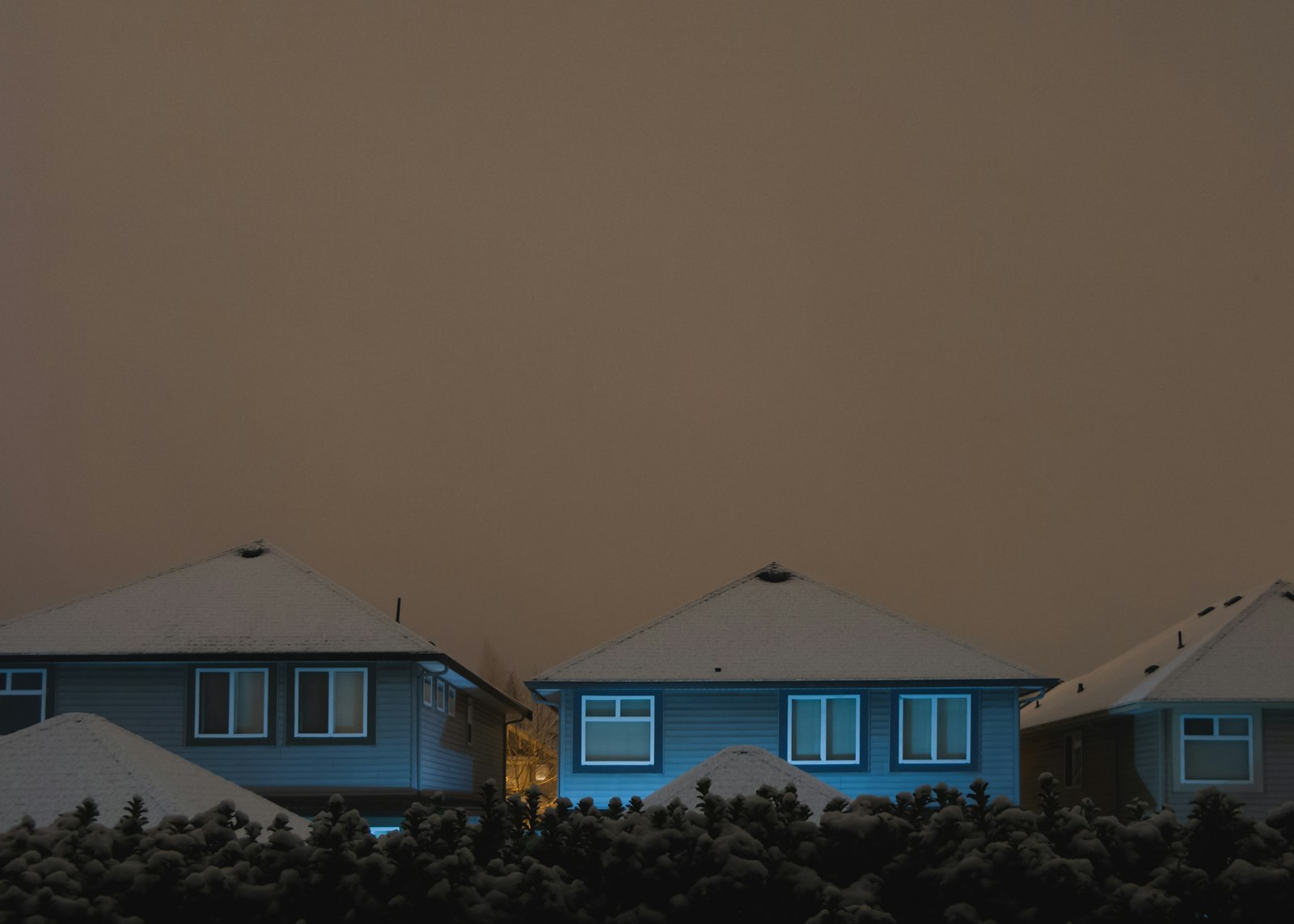
It is a fair question to ask before spending money on a lawn: does artificial grass survive Ontario winters, or does our cold wreck it? Vaughan winters are no joke, with deep January cold, heavy snow off Lake Simcoe systems, and the constant freeze and thaw that plays havoc with driveways and lawns alike. The short version is that good turf handles all of it. The longer version, which is what actually protects your investment, is about the base and how you care for the lawn once the snow arrives.
Does artificial grass survive Ontario winters?
Yes, quality artificial grass is built to survive Ontario winters without damage. The synthetic fibres do not freeze, crack, brown, or die the way a living lawn goes dormant, and modern turf backings are made to flex through cold without becoming brittle. Snow sits on top and melts off, and a lawn built over a free-draining base comes out of winter flat and green while the neighbour's natural lawn is still a mud pit. What lets turf down in a Vaughan winter is never the grass, it is a base that was not built to drain and resist frost heave.
What snow and frost actually do to turf
Snow and frost do very little to the turf itself. You can leave snow to sit on artificial grass all winter and it will not harm the blades. The fibres are unaffected by the cold, and once snow melts the lawn is ready to use, no muddy recovery period like real grass. Frost can stiffen the blades temporarily, so it is best not to aggressively scrape or shovel frozen turf, but the surface thaws and springs back on its own. In practice, a Vaughan turf lawn is one of the few parts of the yard that looks the same in February as it does in June.
Freeze-thaw and your base
Freeze-thaw is the real winter test, and it happens under the turf, not on top. Vaughan sits largely on Peel Plain clay, which holds water and swells when it freezes then shrinks as it thaws, over and over through the season. If water is trapped under a thin or poorly compacted base, that heaving pushes the surface into ripples and dips. A deep, well-compacted crushed-stone base does two things: it lets meltwater drain straight down and away, and it gives the frost movement somewhere to go without deforming the lawn. This is why the Artificial Turf Vaughan team builds Vaughan bases to drain, and why the hidden work matters. Our guide on what goes under artificial grass explains those layers in full.
Snow removal, the right way
You often do not need to clear snow off turf at all, since it melts and drains on its own. When you do want the lawn clear sooner, a few habits protect it. Use a plastic shovel or a snow blower set with the blade slightly high, never a metal-edged shovel dragged hard across the fibres. Push snow rather than chop at frozen turf. Leave the last thin layer to melt in the sun instead of scraping down to the blades. Treat it gently the way you would a good outdoor carpet and it will look new every spring.
Road salt and pets in winter
Road salt is worth a mention because Vaughan uses plenty of it. Avoid spreading rock salt directly on your turf: it is not effective at melting snow on grass and the residue can dry out the infill and leave a haze on the fibres. Salt that drifts in from the driveway or that a dog carries in on its paws is usually fine, but after a heavy salting stretch a quick rinse when temperatures allow clears it off. If you have a dog using the lawn through winter, the same drainage that handles meltwater handles the thaw of any frozen pet waste, which our pet-friendly turf page covers in more detail.
Spring: what to check after the thaw
When the snow finally clears, give the lawn a simple once-over. Brush the fibres upright in any high-traffic paths that got matted under snow load. Rinse off winter grime, road-salt haze, and any pet residue. Top up infill if a hard winter displaced some in busy areas. Walk the surface and feel for any softness or unevenness, which would point to a drainage issue in the base rather than the turf. A lawn built properly for Vaughan clay will need almost none of this, but a five minute spring check keeps it looking sharp. A backyard turf lawn is genuinely the lowest-effort surface you will own through a GTA winter.
Frequently Asked Questions
Does artificial grass get slippery when it is icy?
It can get firm and slick when a hard freeze glazes the surface, the same as any outdoor surface in a Vaughan cold snap. The turf drains well so it usually ices less than concrete, but on a heavy freeze treat it as you would a walkway and step carefully until it thaws.
Should I remove snow or leave it on the lawn?
You can leave it. Snow does not damage artificial grass, and it melts and drains away on its own. Clear it only if you want to use the space sooner, and when you do, push it gently with a plastic shovel rather than scraping.
Can turf be installed in winter in Vaughan?
It can, though frozen clay is slower and harder to excavate and compact, which can add time. Many homeowners book in spring or fall, but we do install year-round when the schedule calls for it, and a winter install performs the same once the base is done.